Skin care has always walked the line between science and aspiration, especially when aging becomes part of the conversation. Readers searching for information about hyperbaric oxygen therapy want clarity more than excitement.
They want to know what the therapy can realistically influence, which skin concerns respond best, and how credible the aging related claims actually are.
This guide sets the stage with grounded explanations, supported mechanisms, and practical nuance so that people can understand why oxygen pressure has become a topic in cosmetic wellness.
Below you will find varied formatting, deeper sections, and a natural, human pace that treats the subject with both curiosity and scientific restraint.
How Hyperbaric Oxygen Therapy Connects to Skin Physiology
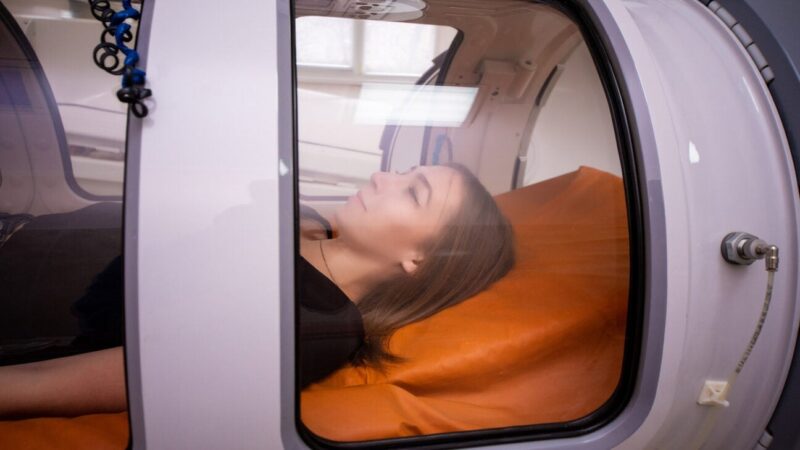
Skin behaves like a complex, oxygen hungry organ that repairs damage through circulation and cellular turnover.
When hyperbaric oxygen therapy is applied in a medical setting, the increase in dissolved oxygen can influence that repair cycle in measurable ways.
People exploring this therapy for beauty goals are usually curious about collagen, hydration, smoothness, and how quickly skin can recover from stressors.
Starting with physiology removes confusion, since every later claim ties back to how cells respond under higher pressure.
Definition: Oxygen tension refers to the amount of oxygen dissolved in tissues. Increased tension supports fibroblast activity and assists the body during wound healing.
How Skin Cells React Inside a Pressurized Environment
Inside a chamber with elevated pressure, oxygen dissolves into plasma at concentrations that standard breathing cannot achieve.
That shift can temporarily improve tissue oxygenation in deeper layers of the skin, influencing processes such as collagen production, antioxidant activity, and microcirculation.
These biological responses form the foundation of most aging related claims.
They do not instantly create younger skin, but they can support conditions in which the skin repairs itself more efficiently.
For some individuals, that means improved texture or better recovery after procedures.
Where HBOT Fits Into Modern Aesthetic Wellness
Many cosmetic routines focus on stimulating collagen or controlling inflammation. Hyperbaric oxygen therapy sits on the outskirts of these strategies, functioning as a supportive environment rather than a stand-alone beauty fix.
People often evaluate it alongside other modalities, like red light therapy or microneedling, because improved oxygenation can enhance post procedure recovery.
This creates a natural point to mention how different locations market their services with comfort and stability in mind.
Some clients, especially in large metropolitan areas, choose facilities that feel more like private wellness studios like LA hyperbaric oxygen center than clinical chambers, which shapes how they experience the treatment.
Claims That Commonly Appear In Beauty Discussions
Aesthetic enthusiasts often hear several recurring ideas. Some are rooted in research, while others are optimistic interpretations.
- Skin may recover faster after irritation or procedures because increased oxygen helps cells complete repair steps more efficiently.
- Temporary improvements in brightness or hydration can appear after consecutive sessions.
- Collagen related claims vary widely, since fibroblasts respond to oxygen but require consistent stimulation to produce long term structural change.
- Inflammatory flare ups may reduce during periods of improved oxygenation, especially for skin that reacts strongly to stress.
Each statement deserves a realistic frame, which the next sections provide.
Collagen And Elasticity: What Science Actually Supports
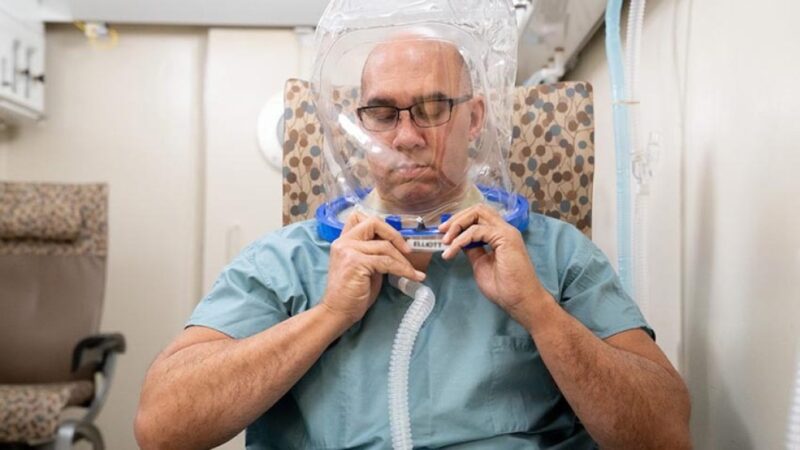
Interest in collagen is universal, so it is natural that readers ask whether hyperbaric oxygen therapy can make skin firmer.
Studies in wound care consistently show that increased oxygenation accelerates fibroblast activity, a key step in collagen formation.
When translated into cosmetic language, this becomes the idea that oxygen rich tissue is better equipped to maintain elasticity.
The interpretation is partially accurate. HBOT can create conditions that support collagen production, but it does not override genetics or lifestyle. It is more like tuning an instrument than replacing it.
A Small Table For Clarity
Below is a simple overview showing how different pathways relate to aging claims.
| Biological Effect | Relevance To Skin Aging |
| Increased fibroblast activity | Supports collagen formation |
| Higher tissue oxygenation | Improves recovery and circulation |
| Reduced inflammation | Helps manage redness and irritation |
| Temporary hydration changes | May create a fresher appearance |
Under these points sits a practical truth. Collagen responds to oxygen, but not in isolation. Nutrition, sleep, UV protection, and overall metabolism matter just as much. HBOT can enhance the environment, not perform the entire job.
Inflammation, Redness, And Barrier Strength
Inflammation is one of the most underrated contributors to visible aging. Even micro levels of irritation can slowly affect texture and tone over time.
Hyperbaric oxygen therapy interacts with this process by supporting more efficient immune responses.
Skin under higher oxygen tension clears debris more effectively and experiences less oxidative stress after the session.
Because of this, people with reactive or sensitive skin sometimes report smoother days following a cycle of treatments.
Improved circulation dictates how well nutrients travel through tissue and how quickly the skin calms itself after irritation.
Better flow often means better resilience, which is why some dermatologists consider supportive oxygenation beneficial after lasers, peels, or microneedling sessions.
When these benefits appear, they do so gradually.
HBOT can help reduce persistent redness, but it does not permanently alter vascular response. Instead, it gives the skin quieter conditions in which to heal.
Procedural Recovery And Post Treatment Benefits
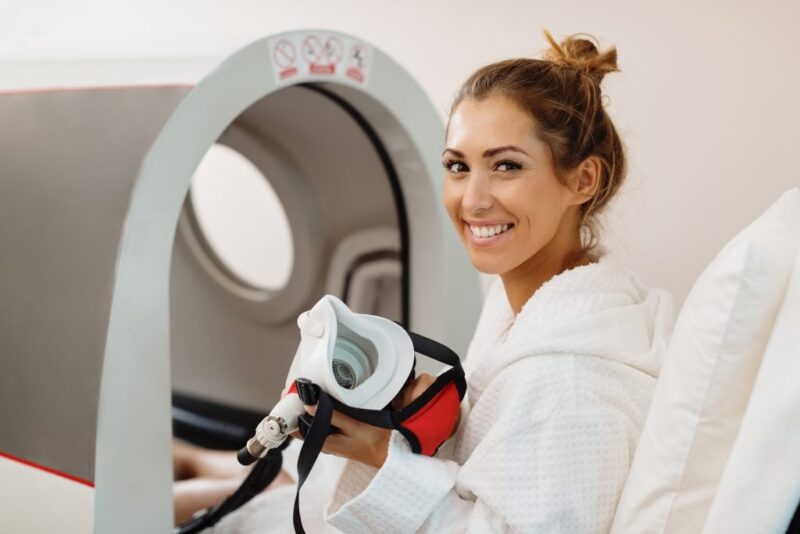
This category is one of the most grounded applications for hyperbaric oxygen therapy in the cosmetic world. Recovery from resurfacing procedures, dermal injuries, or deeper exfoliation depends heavily on how quickly the skin can stabilize.
Elevated oxygen improves cellular signaling and encourages tissue repair, which can shorten the downtime associated with many treatments.
Clients often notice quicker reduction of swelling, less discomfort, and more uniform healing when HBOT is used adjunctively.
Some plastic surgery teams use hyperbaric therapy to assist flap survival and graft integration because oxygen rich environments support angiogenesis. While this is a surgical context, it demonstrates how powerful oxygen can be when tissues are trying to rebuild.
For cosmetic users, this translates into a smoother recovery curve rather than dramatic anti aging changes. It is a complement, not a cure.
Where The Aging Claims Become Exaggerated
Any treatment that influences collagen or inflammation will eventually become attached to stronger claims than evidence supports.
Hyperbaric oxygen therapy falls into that pattern. Marketing occasionally promotes it as a method to reverse aging, tighten skin permanently, or replace restorative procedures.
These interpretations stretch beyond current research. The biological effects of HBOT are real, but the aesthetic improvements are supportive rather than transformative.
Key Points To Keep In Mind
- Hyperbaric oxygen therapy may create visible improvements in texture or brightness, especially after repeated sessions.
- The changes are typically subtle rather than dramatic.
- Benefits often pair best with other skin health strategies.
- Aging is multifactorial, so oxygenation is only one piece of the puzzle.
- Long term results depend on consistent lifestyle and routine choices.
Recognizing these limits helps readers match expectations with biology, which produces more satisfying experiences.
A Sensible Way To Evaluate HBOT For Skin Goals

Evaluating hyperbaric oxygen therapy becomes easier once readers understand what the treatment can realistically achieve.
The therapy supports tissue repair, calms inflammation, and may enhance hydration. These qualities benefit skin appearance even if they do not fundamentally change structural aging.
Most users report the biggest differences when combining HBOT with ongoing skincare, balanced nutrition, and sun protection.
When deciding whether it fits into a long term routine, people often focus on how their skin behaves between treatments.
If flare ups are fewer, brightness improves, and recovery after cosmetic procedures feels smoother, HBOT has likely contributed something meaningful.
Test cycles of a few sessions can help clarify individual response. Skin biology varies, so personal observation matters just as much as published research.
Final Thoughts
Hyperbaric oxygen therapy continues gaining attention for its potential role in skin health and aging care.
It does not promise dramatic reversal but can support the mechanisms that help skin renew itself more actively.
The improved circulation, reduced inflammation, and enhanced tissue oxygenation explain why some people notice softer lines, better tone, and calmer texture after several sessions. These benefits are cumulative and subtle, working best as part of a holistic routine.