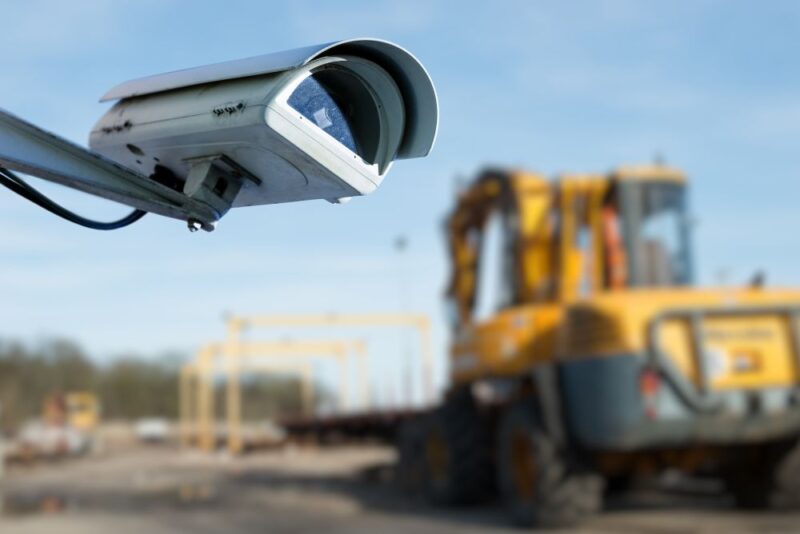
Project managers often face the frustration of arriving at a job site, only to find that property has been stolen or vandalized. These setbacks stall progress and create safety and liability concerns that carry long-term consequences for a company.
Let’s take a closer look at why these locations are prime sites for theft and vandalism and how professional construction site security guards can mitigate these risks.
The High Cost of Unsecured Job Sites
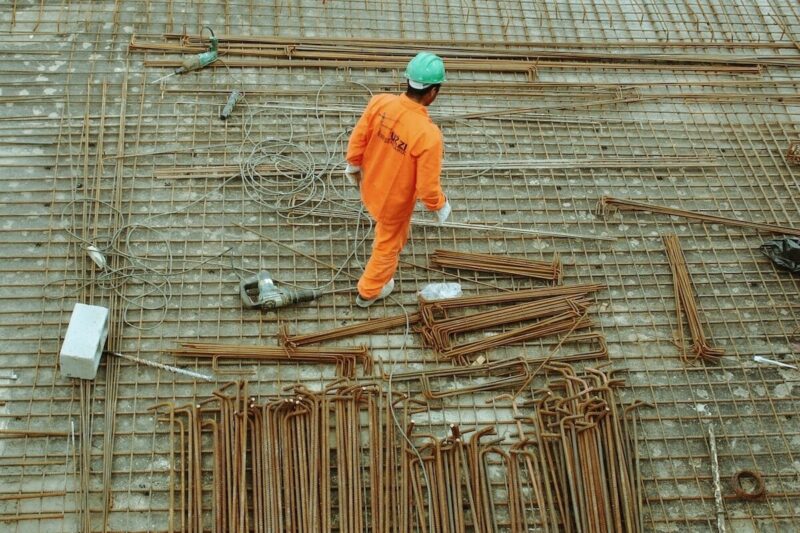
A construction zone is essentially an open-air warehouse filled with high-value assets. When a site lacks professional oversight, it becomes an easy target for organized theft rings and opportunistic individuals.
The financial impact extends far beyond the value of the stolen items. Replacing specialized tools or rare building materials takes time, and in an industry where time equals money, even a few days of downtime can lead to massive budget overruns.
Vandalism presents another layer of unnecessary expense. Graffiti, broken glass, or intentional damage to newly installed fixtures requires costly remediation. While insurance might cover some of these losses, the resulting premium hikes and the administrative burden of filing claims often outweigh the initial cost of preventative measures.
How Smart Construction Technology Creates New Security Risks

Construction companies increasingly rely on IoT enabled devices to improve productivity and monitor operations in real time. Connected cameras, wearable safety devices, smart locks, drones, GPS tracked machinery, and remote monitoring platforms are now common across large commercial projects.
While these systems improve efficiency, they also create new attack surfaces.
Researchers studying construction cybersecurity have identified several growing concerns connected to smart construction environments:
- Weakly protected IoT devices connected to internal networks
- Remote monitoring systems with outdated firmware
- Shared contractor access credentials
- Unsecured wireless surveillance infrastructure
- Cloud connected operational technology exposed to ransomware attacks
Cybersecurity analysts also warn that the convergence of IT systems and operational technology creates additional vulnerabilities because attacks against enterprise systems can directly affect physical operations.
Construction site security guards now play a larger role in identifying suspicious activity tied to both physical intrusion and technology tampering. Guards positioned at entry points or conducting patrols can detect unauthorized attempts to access networking cabinets, surveillance equipment, or restricted operational areas before larger disruptions occur.
Managing Access and Preventing Trespassing

Maintaining a strict perimeter is difficult when multiple contractors and vendors move in and out throughout the day. Unauthorized individuals often enter sites out of curiosity or malicious intent, creating a massive safety risk. Because construction zones are inherently dangerous, an injury to a trespasser can result in legal battles and expensive settlements.
A dedicated security presence manages these risks by:
- Checking identification and logging all visitors at entry points
- Conducting regular perimeter patrols to identify breaches in fencing
- Deterring unauthorized individuals from entering hazardous areas
- Monitoring deliveries to ensure materials reach the appropriate personnel
Why Surveillance Cameras Alone Are No Longer Enough
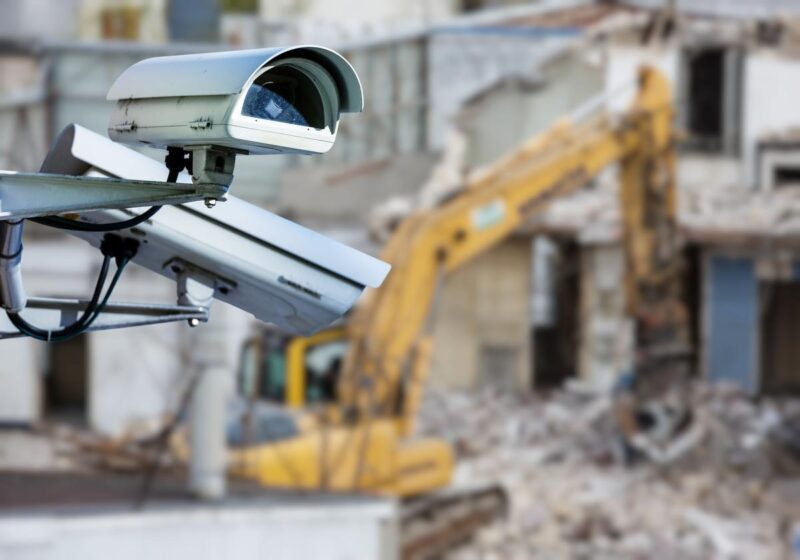
Many project managers assume cameras provide complete protection for construction sites. In reality, surveillance systems are only one layer within a larger cyber-physical security strategy.
Cameras often become reactive rather than preventative. They may capture footage of theft or vandalism after an incident has already occurred. Criminal groups increasingly understand how to avoid detection by targeting poorly lit areas, disabling cameras, or exploiting gaps in monitoring coverage.
Connected surveillance systems themselves can also become security liabilities if not properly maintained. Security experts continue to warn that IoT connected devices and operational technology systems frequently suffer from weak authentication, outdated software, and insufficient monitoring visibility.
A stronger approach combines technology with physical oversight.
Construction site security guards strengthen monitoring systems by:
- Investigating alerts generated by connected devices
- Identifying damaged or tampered cameras
- Responding immediately to perimeter breaches
- Coordinating with law enforcement during incidents
- Monitoring vulnerable areas during overnight shifts
That combination improves both prevention and response capabilities across active construction environments.
Protecting Equipment After Hours
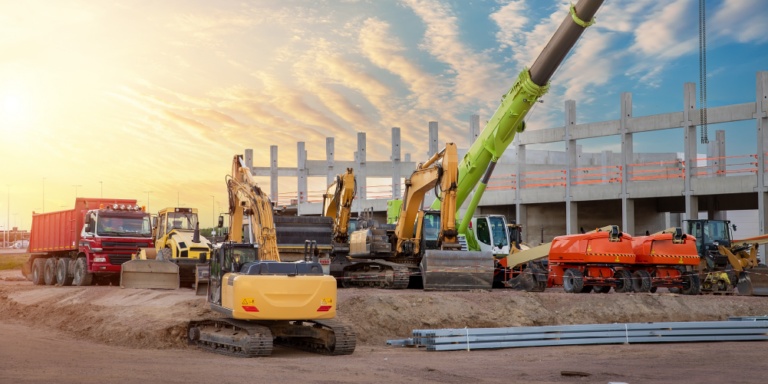
Most criminal activity occurs under the cover of darkness or during weekends when crews are away. Without security on site, cameras alone might only provide footage of a crime after it has already occurred. Physical guards offer a proactive solution by responding to suspicious activity in real time. Their presence alone is often enough to convince a potential intruder to move on.
Highly trained professionals understand how to navigate the uneven terrain of an active construction site. They are prepared to handle emergencies, such as fire hazards or equipment malfunctions, that might otherwise go unnoticed until the following Monday morning. This constant vigilance helps ensure that your equipment remains ready for use the moment your team clocks in.
The Growing Importance of Cyber Physical Security in Construction
Construction security is evolving beyond traditional gate monitoring and perimeter patrols. Today’s projects require strategies that address both physical threats and connected infrastructure risks simultaneously.
Cyber physical security focuses on protecting environments where digital systems directly affect physical operations. In construction, that includes everything from connected machinery and surveillance systems to cloud based access controls and operational technology networks.
Industry experts increasingly recommend layered protection strategies that combine:
- Physical security personnel
- Network monitoring systems
- Access management protocols
- Surveillance analytics
- Operational technology protection
- Incident response planning
As construction environments become more connected, relying on only one security layer creates unnecessary exposure. A combined strategy helps reduce downtime, strengthen accountability, and improve operational resilience across the entire project lifecycle.
Hire Professional Construction Site Security Guards in Houston, TX
Securing a construction site requires a strategy tailored to the specific layout and risk level of the location. Choosing a team with extensive experience helps ensure that every vulnerability is addressed, from gate management to mobile patrols. Licensed professionals also provide the transparency and reporting necessary to keep stakeholders informed and projects safe.
Contact a trusted local provider today and deploy construction site security guards tailored to your project’s needs.